STRATEGY GAMES
12 games in total.
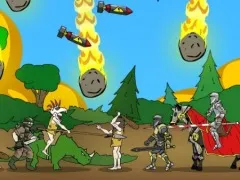

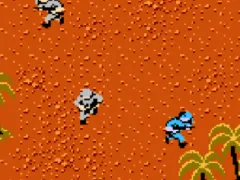





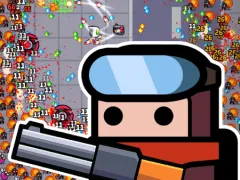

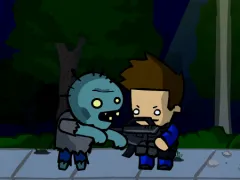

Strategy games are a genre that emphasizes careful planning, tactical decision-making, and resource management to achieve victory. Players often control armies, civilizations, or groups of units, and must outmaneuver opponents through strategic thinking rather than fast reflexes. Popular titles like Civilization, StarCraft, and Age of Empires require players to manage resources, build structures, and deploy units effectively to defeat enemies or complete objectives. Strategy games can be divided into subgenres like real-time strategy (RTS) or turn-based strategy (TBS), each offering different pacing and styles of play. These games challenge players to think critically, plan ahead, and adapt to changing scenarios, making them ideal for those who enjoy complex, thought-provoking gameplay.
strategy
Welcome to our comprehensive guide on strategy games that are perfect for a quick break at school or during a short downtime. Whether you are a student looking for a mental refresh or an everyday player who enjoys browser‑based entertainment, our collection offers a balanced mix of classic tactics, modern twists, and easy‑to‑learn mechanics. In the following sections we will explore how to choose the right game, master essential tactics, and keep your play sessions both fun and productive.
Why Choose Strategy Games for a School Break?
Strategy games provide more than just a diversion; they sharpen critical thinking, improve decision‑making speed, and encourage forward planning—all skills that are valuable in the classroom. Because they are typically turn‑based or pause‑friendly, you can play them at your own pace without the pressure of fast‑paced shooters. Our curated selection ensures every title runs smoothly in a browser, so you never need to install anything or worry about compatibility with school computers.
How to Pick the Perfect Strategy Game
Choosing a game that fits your schedule and interests is simple when you follow a few practical steps:
- Identify the time you have available. If you only have five minutes, look for micro‑strategy games that finish a round quickly. For longer breaks, consider games with deeper progress layers.
- Determine the complexity level. Beginners may prefer puzzle‑style strategy, while experienced players might enjoy grand‑scale empire builders.
- Check the control scheme. Keyboard‑only controls are ideal for school computers; many of our games support simple arrow‑key navigation.
- Read the community rating. Games with higher ratings usually have smoother performance and clearer tutorials.
Core Principles of Effective Gameplay
Regardless of the specific title, successful strategy gaming rests on three universal principles:
1. Planning Ahead
Take a moment to assess the board or map before making your first move. Visualize several steps forward and anticipate possible counter‑moves from opponents or AI.
2. Resource Management
Most strategy games revolve around limited resources—be they troops, currency, or energy. Allocate them wisely, prioritize upgrades that give the greatest return, and avoid over‑extending your forces.
3. Adaptability
No plan survives first contact with the enemy unchanged. Stay flexible, learn from each turn, and adjust your tactics based on the evolving situation.
Step‑by‑Step Guide to Mastering a New Strategy Game
- Read the tutorial. Even if you think the game is simple, the tutorial often reveals hidden mechanics that can give you an edge.
- Play the first few rounds in “practice” mode. Many titles allow you to experiment without losing ranks or points.
- Analyze your first losses. Write down what went wrong—did you mismanage resources, ignore a key objective, or underestimate an opponent’s reach?
- Develop a personal “opening” strategy. Consistency in your opening moves builds confidence and reduces early‑game mistakes.
- Watch replays or streams. Observing how top players handle the same game can inspire new tactics.
- Join community forums. Engaging with other players provides tips, custom scenarios, and friendly competition.
Top Recommended Strategy Games for Quick Play
Below is a short list of games that excel in delivering strategic depth while remaining accessible within a school break:
- Mini‑Chess – A simplified chess variant that finishes in under ten moves, perfect for sharpening tactical foresight.
- Pixel Empire – Build a tiny kingdom, manage resources, and defend against waves of invaders in short, self‑contained missions.
- Space Tactics 2 – Turn‑based fleet battles where each decision can turn the tide of a galactic skirmish.
- Block Tower Defense – Classic tower‑defense gameplay with drag‑and‑drop placement, ideal for quick strategic planning.
- Word Conquest – Combine vocabulary skills with board control, making it both educational and entertaining.
Integrating Strategy Play into Your Daily Routine
To make the most of your breaks without sacrificing study time, consider these scheduling tips:
- Set a timer. Allocate 5‑15 minutes per session to keep gameplay focused.
- Pair the game with a short stretch. Physical movement before or after a session can improve concentration.
- Use a “game log”. Jot down the strategies you tried and the outcomes; this habit reinforces learning.
- Rotate titles. Switching between different games prevents fatigue and broadens your strategic toolbox.
Safety and Fair Play Guidelines
Our platform ensures that every game runs safely on school networks. Nonetheless, we recommend the following best practices:
- Play on trusted sites only. Stick to the links provided on Unblocked Games for School to avoid unwanted advertisements.
- Respect the school’s internet policy. Use the games during designated free periods.
- Avoid sharing personal information. All games are designed for anonymous play.
- Report any glitches. Our team monitors feedback to keep the experience smooth for everyone.
Advanced Tactics for Competitive Players
If you have mastered the basics and seek a greater challenge, explore these advanced concepts:
- Predictive Modeling. Use probability to anticipate opponent moves based on previous patterns.
- Meta‑Game Analysis. Study the most successful strategies in the community and adapt them to your style.
- Resource Hoarding vs. Aggressive Expansion. Balance long‑term growth with short‑term pressure to keep opponents off‑balance.
- Psychological Play. Occasionally make sub‑optimal moves to lure opponents into a false sense of security.
Community and Support
Our site hosts a vibrant community of students and casual gamers who share tips, custom maps, and friendly challenges. By participating, you can improve faster and enjoy a sense of camaraderie that makes each break more rewarding.
FAQ
What types of strategy games are available?
We offer a variety ranging from chess variants and tower‑defense titles to turn‑based space battles and resource‑management simulators.
Do the games require an account?
No, all games are accessible without registration, allowing you to start playing instantly.
Can I play on a mobile device?
Yes, each game is optimized for modern browsers, so you can enjoy them on tablets or smartphones as long as the device supports HTML5.
Are the games safe for school computers?
All titles are vetted for security and run without additional plugins, ensuring they comply with typical school network policies.
How often are new games added?
We update the library weekly, introducing fresh titles and seasonal challenges to keep the experience engaging.
Internal links: /search.html, /game/, /category/latest.html, /category/trending.html, /unblocked-games/